Is Abacus Good for Kids?
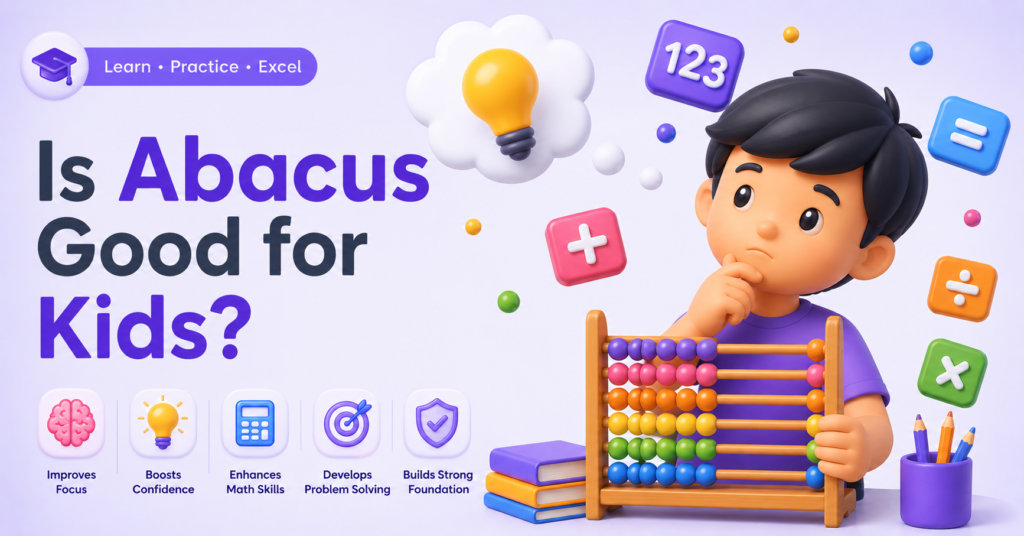
As parents, we always want the best opportunities for our children. From choosing the right school to enrolling them in activities that support their development, every decision contributes to their future growth and success. One question many parents often ask is, Is Abacus Good for Kids? The answer is yes. Abacus training is much more than learning calculations. It helps children improve concentration, memory, visualization, and problem-solving abilities while making mathematics enjoyable. Children enrolled in the best abacus classes in india often develop valuable cognitive skills that support both academic achievement and overall personal development.
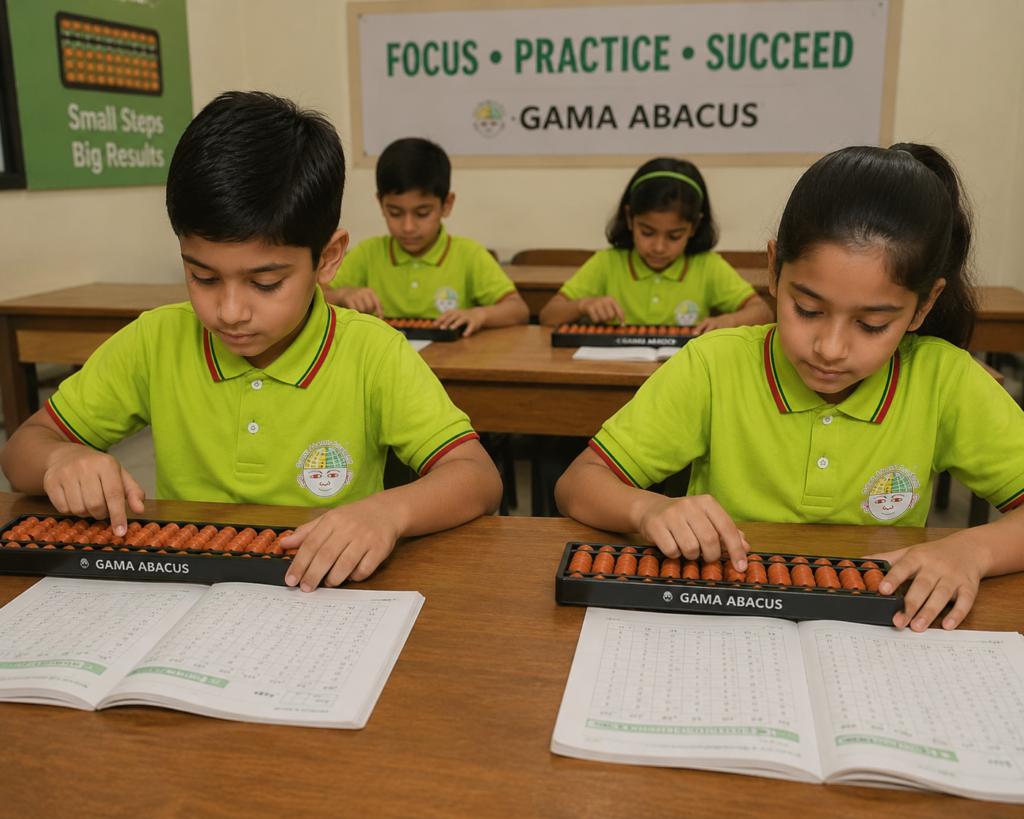
Is Abacus Good for Kids? Benefits Every Parent Should Know
Many educational programs claim to improve children’s abilities, but abacus training has remained popular for decades because of its proven benefits. Using a combination of physical beads and mental visualization techniques, children learn to perform calculations accurately while exercising different parts of the brain. This unique learning method helps children become more confident with numbers and encourages independent thinking.
How Does Abacus Help Children’s Brain Development?
The human brain develops rapidly during childhood. Activities that challenge children to think, analyse, and visualise can have a positive impact on cognitive growth. Abacus training activates both the left and right hemispheres of the brain. While the left side focuses on logic and calculation, the right side contributes to imagination and visualization. This balanced stimulation supports overall brain development and strengthens learning abilities.
Is Abacus Good for Kids? Understanding the Long-Term Benefits
When parents ask,Is Abacus Good for Kids?, they are usually interested in the long-term value of the program. Abacus training helps children build skills that continue to benefit them throughout their academic journey. Improved memory, better concentration, faster thinking, and stronger problem-solving abilities are just some of the advantages that can support success in school and beyond.
Key Benefits of Abacus Training for Children
Improved Concentration
Concentration is essential for effective learning. In a world filled with distractions, children often struggle to maintain focus for long periods. Abacus exercises require attention to detail and consistent practice, helping children strengthen their ability to concentrate. As a result, many students become more attentive during classroom lessons and study sessions.
Better Memory Retention
One of the most impressive aspects of abacus learning is its ability to improve memory. As children progress, they begin visualizing the abacus mentally rather than relying solely on a physical tool. This process strengthens memory retention and helps children recall information more effectively in various academic subjects.
Enhanced Mental Math Skills
Abacus training develops strong mental calculation abilities. Children learn to solve arithmetic problems quickly and accurately without depending on calculators. These skills not only improve mathematical confidence but also encourage logical thinking and numerical understanding.
Increased Confidence
Learning new skills and achieving goals naturally boosts confidence. As children complete different levels of abacus training and solve increasingly challenging calculations, they gain a sense of accomplishment. This confidence often extends to schoolwork, competitions, and everyday activities.
Why Parents Often Ask, “Is Abacus Good for Kids?”
Parents want learning activities that provide meaningful benefits and contribute to their child’s future success. This question arises because families are looking for programs that offer more than academic improvement. Abacus training helps children develop patience, discipline, and perseverance while encouraging a positive attitude toward learning.
The Role of Visualization in Abacus Learning
Visualization is one of the most unique aspects of abacus education. As students advance through different levels, they learn to picture the abacus in their minds and move the beads mentally. This mental imagery strengthens creativity, imagination, and memory. Strong visualisation skills can also support learning in subjects such as science, reading comprehension, and problem-solving.
How the Abacus Develops Problem-Solving Skills
Problem-solving is an essential life skill that helps children navigate academic challenges and everyday situations. Abacus training teaches students to approach problems methodically and think through solutions step by step. Instead of memorizing answers, children learn to analyze situations and make informed decisions. These abilities continue to benefit children throughout their academic journey and everyday life.
Is Abacus Good for Kids? At What Age Should Children Start?
Experts generally recommend introducing abacus training between the ages of 5 and 14. During this stage of development, children are highly receptive to learning new concepts and building cognitive abilities. Starting early allows them to develop strong mental math skills while making learning enjoyable and engaging.
Social and Emotional Benefits of Abacus Training
The benefits of abacus training extend beyond academics. Children often participate in group classes, competitions, and interactive learning activities that encourage communication and teamwork. These experiences help build self-esteem, resilience, and motivation. As children achieve goals and overcome challenges, they develop a stronger belief in their abilities.
Common Misconceptions About Abacus Learning
Some people believe that abacus training is only useful for improving arithmetic skills. In reality, it supports a wide range of developmental benefits, including concentration, memory, visualization, and analytical thinking. Another common misconception is that calculators have made the abacus outdated. While technology can perform calculations instantly, it does not strengthen the cognitive skills developed through abacus practice.
Is Abacus Good for Kids? What Parents Should Know
If you’re still wondering whether abacus training is the right choice for your child, it is important to understand that success depends on regular practice and quality instruction. Children who participate consistently in abacus programs often show noticeable improvements in focus, memory, and mental agility. These improvements can positively influence academic performance and daily life.
How Abacus Supports Academic Success
Children who receive abacus training often develop greater confidence in mathematics because they become more comfortable working with numbers. Improved concentration and memory can also support learning in science, language studies, and other subjects. As students become more confident learners, they are more likely to participate actively in class and embrace new challenges.
How Abacus Supports Overall Child Development
Parents often ask, Is Abacus Good for Kids? The answer becomes even clearer when considering the broader impact of the program. Alongwith strengthening mathematical abilities, abacus training helps children develop discipline, patience, observation skills, and logical reasoning. These qualities contribute to well-rounded personal growth and prepare children for future success.
Why Gama Abacus Is a Great Choice for Children
At Gama Abacus, children receive structured training designed to enhance both mathematical and cognitive abilities. Through engaging lessons and age-appropriate activities, students develop concentration, memory, visualization, and mental calculation skills. The supportive learning environment encourages children to build confidence while enjoying the learning process.
Conclusion
So,Is Abacus Good for Kids? The answer is a definite yes. Abacus training offers much more than faster calculations. It helps children strengthen memory, improve concentration, develop problem-solving abilities, and gain confidence in their skills. These benefits support academic achievement while also contributing to overall personal development.
For parents seeking a meaningful educational activity that combines learning with life-skilling development, abacus training remains an excellent investment in a child’s future. By nurturing important cognitive abilities at an early age, children gain tools that can benefit them throughout their educational journey and beyond.