
Can Abacus Help Reduce Math Anxiety in Kids?
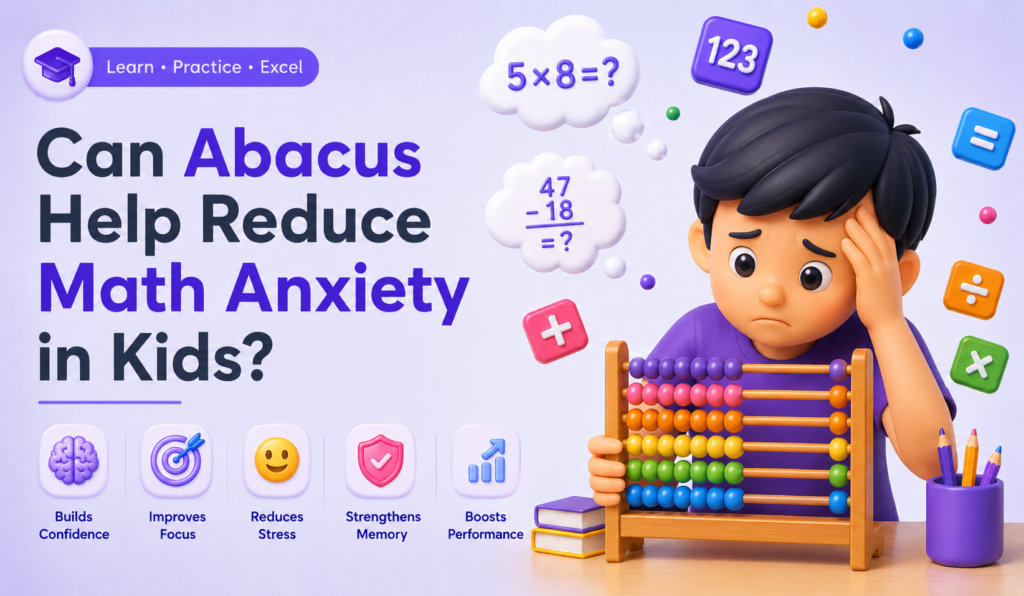
Mathematics is often seen as one of the most challenging subjects for children. While some kids enjoy solving problems, many experience stress, fear, and confusion when dealing with numbers. This fear is commonly known as math anxiety, and it can negatively impact a child’s confidence, performance, and overall attitude toward learning.
In recent years, alternative learning methods have gained attention for making math easier and more engaging. One such method is abacus training. But the real question is—can abacus truly help reduce math anxiety in kids? Let’s explore this in detail.
Understanding Math Anxiety in Children
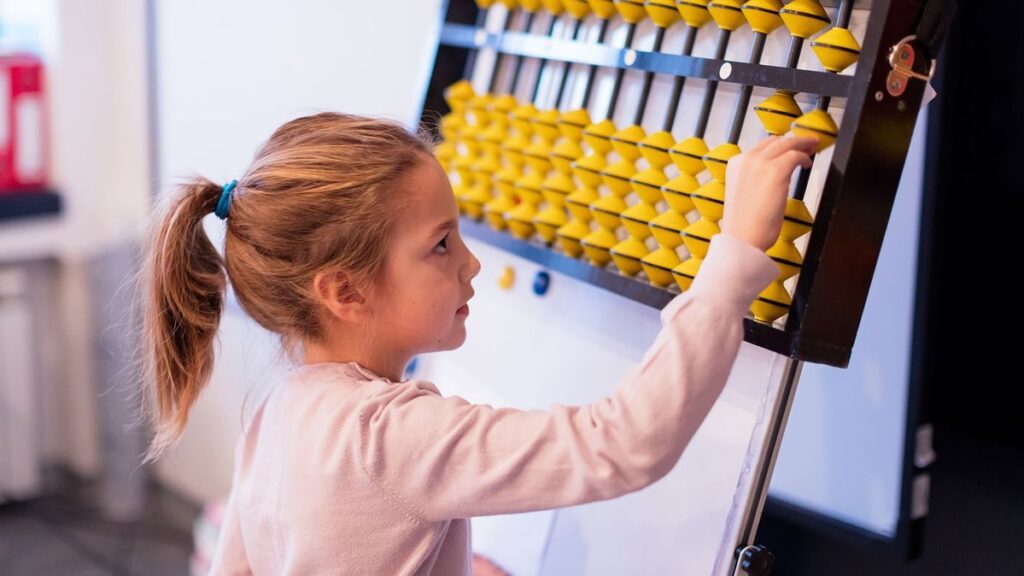
Math anxiety is more than just a dislike for mathematics. It is a psychological response where children feel nervous, tense, or even fearful when they are required to solve math problems. This anxiety can appear during classroom activities, homework, or exams.
Children experiencing math anxiety may:
- Avoid solving math problems
- Feel stressed during tests
- Doubt their abilities
- Lose confidence over time
This often creates a cycle—fear leads to poor performance, and poor performance increases fear. Breaking this cycle requires a different approach to learning.
Why Traditional Methods Sometimes Fail
In many classrooms, math is taught through memorization and repetitive problem-solving. While this works for some students, it can be overwhelming for others
Children are often expected to:
- Memorize formulas
- Solve problems quickly
- Compete with peers
This pressure can make math feel like a burden rather than a skill. When children don’t understand the concepts clearly, they begin to feel left behind. Over time, this leads to frustration and anxiety.
How Abacus Introduces a Better Learning Experience
Abacus training offers a completely different way of learning mathematics. Instead of focusing only on numbers and formulas, it uses a visual and hands-on approach.
Children use beads to represent numbers, which makes calculations easier to understand. This physical interaction helps them connect with numbers in a more natural way.
As they progress, children begin to visualize the abacus in their minds and perform calculations mentally. This process makes math less abstract and more engaging.
Building Confidence Step by Step
One of the biggest reasons for math anxiety is lack of confidence. When children repeatedly fail to solve problems, they begin to believe they are not capable.
Abacus training addresses this by starting with simple concepts and gradually increasing difficulty. Each small success builds confidence and encourages children to move forward.
When children realize that they can solve problems correctly, their mindset changes. They begin to approach math with a positive attitude instead of fear.
Improving Concentration and Focus
Lack of focus is another factor that contributes to math anxiety. When children are unable to concentrate, they make mistakes and feel frustrated.
Abacus training involves continuous practice that improves attention span. Children learn to stay focused while performing calculations, which reduces errors and boosts confidence.
Better concentration not only helps in math but also improves overall academic performance.
Reducing Fear of Mistakes
Many children fear making mistakes, especially in subjects like math where answers are either right or wrong. This fear can stop them from even attempting problems.
With abacus, the learning process is gradual and supportive. Mistakes are treated as part of learning rather than failure. This encourages children to try again without fear.
Over time, children become more comfortable with problem-solving and less worried about getting answers wrong.
Encouraging Speed Without Pressure
Speed is often associated with intelligence in math, which can create unnecessary pressure. Children may feel stressed if they are unable to solve problems quickly.
Abacus helps develop speed naturally through practice and visualization techniques. Instead of forcing children to be fast, it allows them to improve at their own pace.
As their skills improve, speed comes automatically. This removes the pressure and replaces it with confidence.
Making Math Fun and Interactive
One of the key advantages of abacus learning is that it makes math enjoyable. The use of beads, visualization, and interactive exercises keeps children engaged.
When learning becomes fun, children are more likely to participate actively. They begin to see math as an interesting activity rather than a difficult task.
This shift in perspective plays a major role in reducing anxiety.
Strengthening Memory and Visualization Skills
Math requires strong memory and visualization abilities. Children who struggle in these areas often find it difficult to keep up.
Abacus training enhances both memory and visualization. Children learn to imagine numbers and perform calculations mentally, which strengthens their cognitive abilities.
Improved memory and visualization make math easier to understand and reduce the fear associated with complex problems.
Supporting Emotional Development
Math anxiety is not just about academics—it also affects a child’s emotional well-being. Children who struggle with math may feel embarrassed or discouraged.
Abacus creates a supportive learning environment where children feel encouraged and motivated. Positive reinforcement helps them build self-esteem and confidence.
When children feel emotionally secure, they are more open to learning and less likely to experience anxiety.
Long-Term Benefits of Abacus Training
The benefits of abacus go beyond reducing math anxiety. It also helps in:
- Enhancing logical thinking
- Improving problem-solving skills
- Boosting academic performance
- Developing discipline and patience
These skills are valuable not only in school but also in everyday life.
Children who learn abacus often develop a strong foundation in mathematics, which helps them handle advanced concepts with ease.
The Role of Parents in Reducing Math Anxiety
Parents play an important role in shaping a child’s attitude toward math. Encouragement and support can make a big difference.
Here are a few ways parents can help:
- Avoid pressuring children for quick results
- Encourage practice without fear
- Celebrate small achievements
- Provide the right learning tools
Introducing abacus at the right time can be a powerful step in helping children overcome their fear of math.
Choosing the Right Learning Environment
While the method is effective, the quality of teaching also matters. A well-structured program with trained instructors can make learning more impactful.
Enrolling your child in the best abacus classes in india ensures proper guidance, systematic learning, and consistent improvement.
A positive learning environment helps children stay motivated and confident throughout their journey.
Real Transformation: From Fear to Confidence
Many parents have noticed a significant change in their children after enrolling them in abacus training. Kids who once avoided math begin to show interest and enthusiasm.
They start solving problems independently, participate actively in class, and perform better in exams. Most importantly, they no longer see math as something to fear.
This transformation highlights the effectiveness of the method in addressing math anxiety.
Final Thoughts
Math anxiety is a common challenge, but it is not permanent. With the right approach, children can overcome their fear and develop a positive relationship with mathematics.
Abacus training provides a practical and effective solution by making learning visual, interactive, and confidence-driven. It helps children understand concepts clearly, improve their skills, and build self-belief.
So, can abacus help reduce math anxiety in kids? The answer is a clear yes. By transforming the way children learn math, it replaces fear with confidence and hesitation with clarity.
With consistent practice and the right guidance, every child can learn to enjoy math and succeed in it.